
AI is not replacing employer branding. It is forcing it to become more evidence-based, faster to personalise, and, somewhat paradoxically, more human where it actually matters: trust, culture and the lived experience of working somewhere.
Every conference agenda has a slot on artificial intelligence. Most of them ask the same question in different words: will AI make talent attraction faster, or will it make it feel less genuine? Both things are happening at once, and the companies that are getting ahead are the ones treating AI as an accelerator for evidence, not a replacement for authenticity.
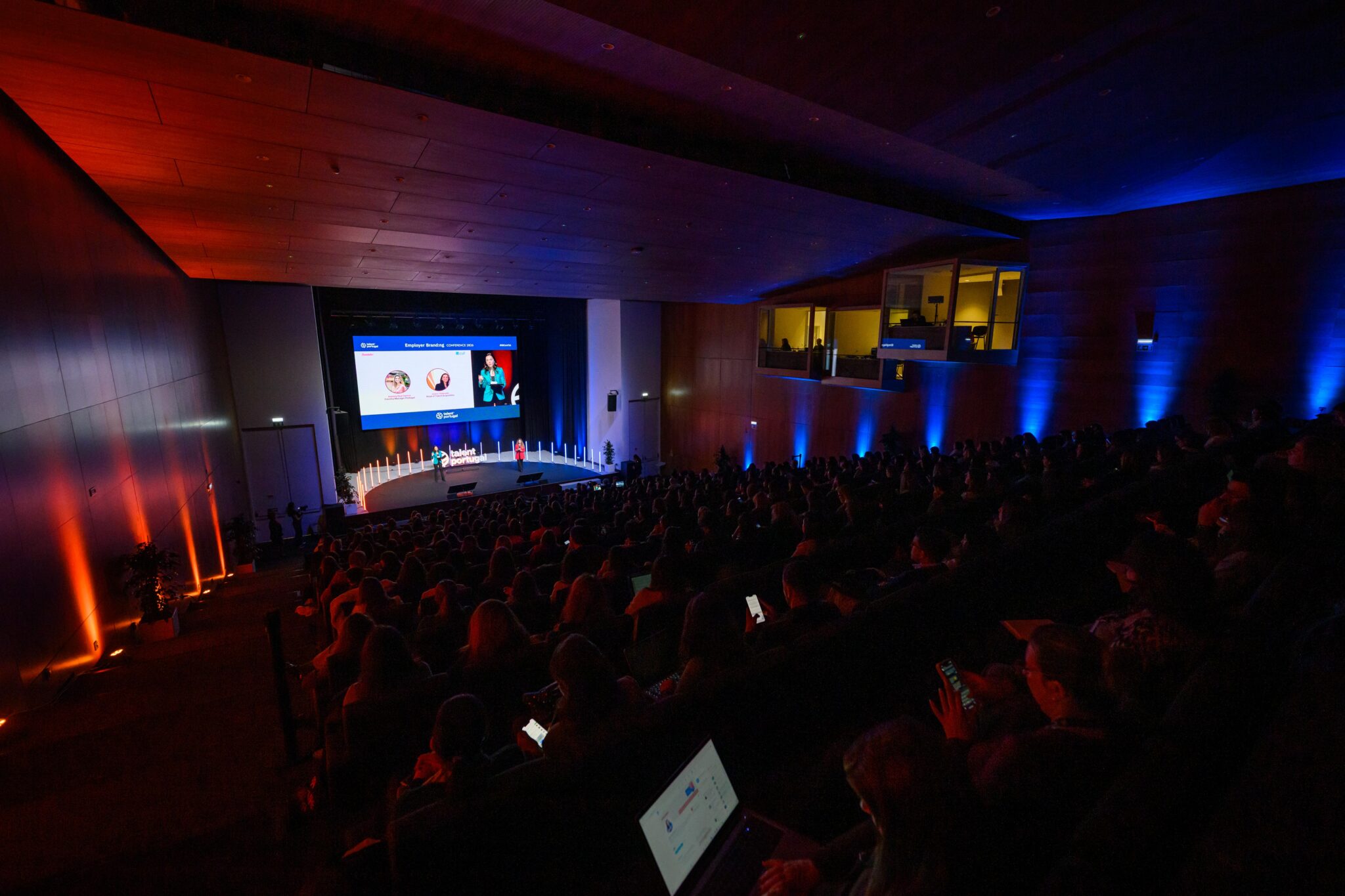
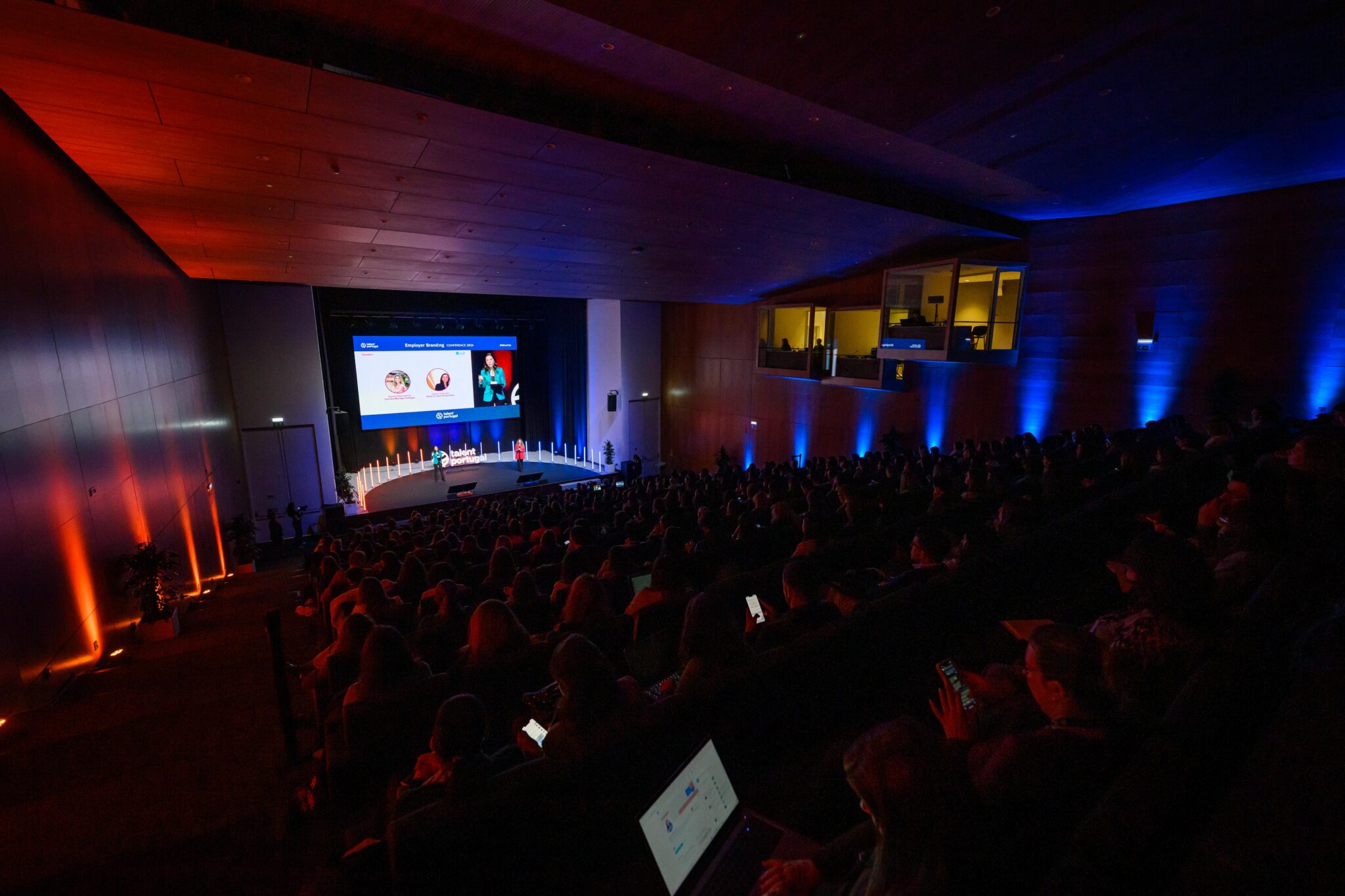
This is one of the themes we will be putting directly on the table at the Employer Branding Conference, because it is already shaping how HR and talent acquisition teams plan their next twelve months.
What does AI actually change in talent attraction?
AI changes speed, personalisation and data collection in talent attraction. It does not change the substance of trust, culture and reputation that ultimately decides whether a candidate applies or accepts an offer.
That distinction matters more than it sounds. Talent acquisition teams are using AI to screen CVs faster, personalise outreach at scale and analyse which parts of their employer brand content actually get read. Recruiters spend less time on repetitive sourcing and more time on conversations that require judgement.
But none of that changes what candidates are checking before they apply: does this company’s culture match what it says on its careers page, what do current employees actually say, and is there real evidence behind the benefits listed.
AI can help a company find that evidence and present it faster. It cannot manufacture it.
How is AI reshaping the employer branding process?
The shift is visible in three stages of the process.
First, in listening: companies are using AI tools to process employee feedback, exit interviews and social listening at a volume that was simply not practical before.
Second, in production: content that used to take a marketing team weeks (landing pages, testimonial videos, EVP messaging variants) can now be drafted and adapted in hours.
Third, in measurement: teams can finally connect specific employer branding content to specific recruitment outcomes, rather than relying on gut feeling about what “worked”.
Employer Branding Conference
Where AI changes the employer branding process
Listening
Feedback, exit interviews and social listening at scale
Production
Content that took weeks now drafted and adapted in hours
Measurement
Content connected to real recruitment outcomes, not gut feeling
The risk sits between the second and third stage. Companies that use AI only to produce more content, without first doing the listening and without measuring what lands, end up with employer branding that is faster but emptier. Candidates notice generic AI-polished copy quickly, and it damages credibility rather than building it.
What should a company do to keep AI-driven employer branding credible?
Based on what we see across the companies present on the Great Employers by Talent Portugal and the conversations we gather at every edition of the conference, three practices consistently hold up:
- Back every claim with evidence. Before AI drafts anything about “culture” or “growth”, feed it a real testimonial, a real number or a real example to work from, so the output has something true to amplify instead of something to invent.
- Listen before personalising. Build candidate segments from conversations the company has actually had, whether at a job fair, an open day or an exit interview, and only then let AI tailor the message to each one.
- Keep a named person in the loop. Wherever a candidate journey uses automation, make sure there is a visible, reachable person at the point where a real question comes up.
The pattern is simple: use AI to do the groundwork faster, research, drafting, segmentation, and keep a real person, a real case study and a real number at the centre of the message.
Is AI-driven employer branding actually working in Portugal?
Early data from Portugal’s own market suggests progress is real but uneven. The first edition of the Employer Branding Report, run by Talent Portugal in 2026, gathered more than 230 participants from Portuguese HR and talent teams, and the pattern that came through was consistent: companies are experimenting with AI in recruitment operations well before they apply it seriously to employer branding strategy.
That gap, between operational AI adoption and strategic employer branding maturity, is precisely why we chose to open this theme up for debate rather than present it as solved.
The Employer Branding Report is currently gathering the next round of data, and the results will feed directly into the 2027 conference agenda.
What should HR and talent teams do about it right now?
For a talent acquisition manager under pressure to fill roles faster, or a head of people trying to justify budget for employer branding investment, the practical answer is the same: use AI for the parts of the process that are repetitive and measurable, and protect the parts that depend on real evidence and real people.
That is exactly where the Employer Branding Academy, run in partnership with Universum Global, focuses its EVP methodology: building an Employer Value Proposition from real internal data first, so that whatever AI tools a company later adopts are amplifying something true rather than inventing something convincing.
Where does this leave talent teams?
AI will keep speeding up how employer branding content gets made and how candidates get reached. It will not do the harder work of deciding what a company’s culture actually is, or whether employees would say the same thing the marketing team is saying.
That work still belongs to people, and companies that skip it will find AI amplifies the gap rather than closing it.
If your team is trying to work out where AI genuinely helps talent attraction and where it risks doing damage, reserve your place at the conference and bring the question to the room.