
Employer branding has no shortage of frameworks. What it lacks is proof. Most professionals in the field can recite the theory of Employer Value Proposition (EVP), culture alignment, and candidate experience without hesitation, but far fewer can point to a documented case where a specific decision changed a specific outcome, inside a specific organization.
That gap between knowing the model and having lived the implementation is where employer branding case studies earn their weight.
This distinction matters more now than it did five years ago. Talent markets across Europe have shifted from employer-led to candidate-led, and the tolerance for generic communication about “culture” or “values” has dropped accordingly. Practitioners are no longer asking what employer branding is; they are asking how it was actually built, department by department, decision by decision, inside organizations comparable to their own.
The limits of theoretical frameworks
Frameworks are useful as a starting map. They are not useful as evidence. A model explaining the four pillars of EVP tells a Head of Employer Branding what to think about; it says nothing about what happens when leadership resists the budget, when a rebrand collides with a hiring freeze, or when a candidate experience redesign has to survive three rounds of internal politics before reaching production.
This is precisely the layer that case studies restore.
A case study is not a cleaner version of the theory it is the theory tested against constraints that no framework anticipates: legacy systems, regional labor law, multilingual candidate pools, or a leadership team that changes mid-project.
Employer branding professionals who have gone through this process consistently describe the same realization: the hard part was never choosing the right model, it was sequencing the right decisions under real conditions.
What a strong case study actually contains
Not every account of “what we did” qualifies as a usable case study. The ones that generate real learning for an audience of peers tend to share a structure:
- A named, specific problem – not “low engagement,” but the actual metric, the actual segment, and the actual timeframe in which it became a business issue.
- The internal friction – the budget conversation, the stakeholder who had to be convinced, the KPI that didn’t yet exist and had to be invented.
- The decision that was made, and the one that was rejected – this is the part theory never includes, because it requires choosing between two defensible options.
- The measurable result, even when the result is partial or mixed. A case study that only reports success is, in practice, closer to marketing than to evidence.
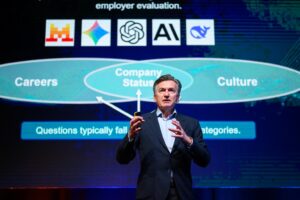
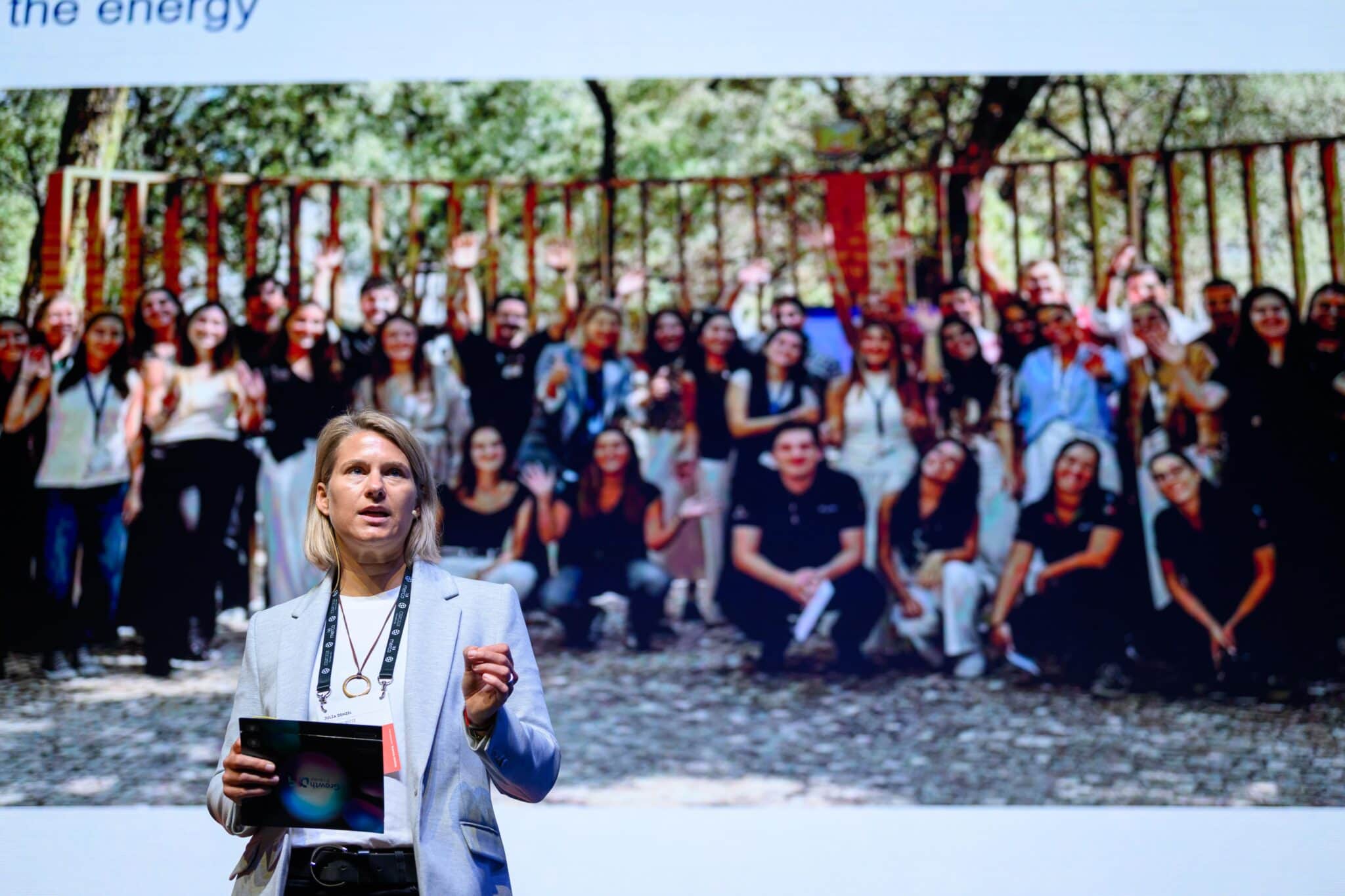
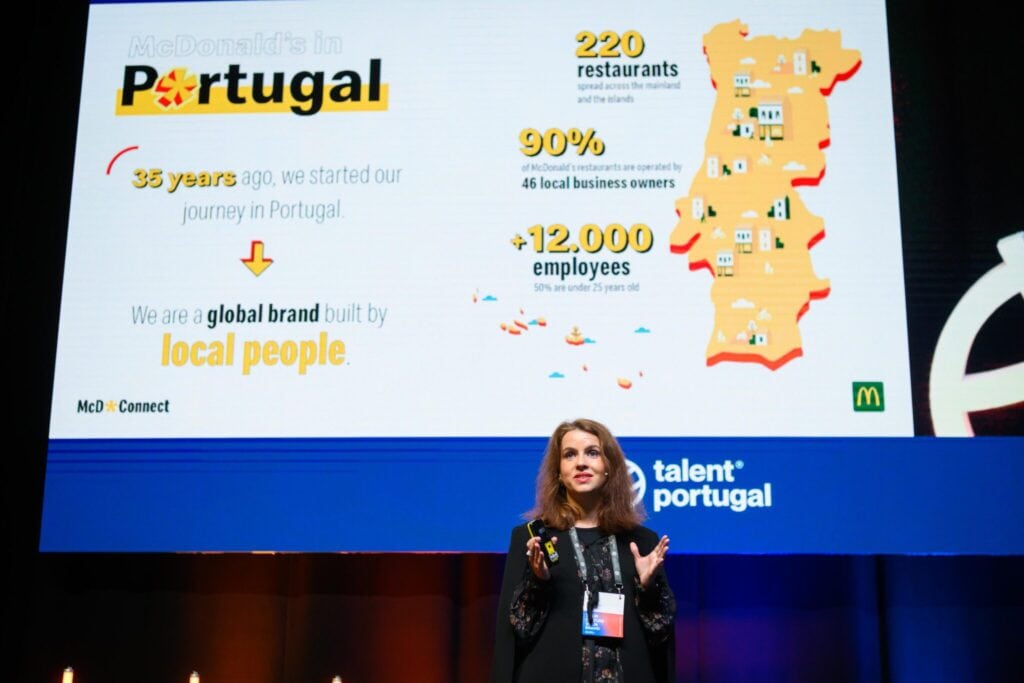
This is also why the Employer Branding Conference in Portugal has structured its case-study track around real submissions from practitioners, rather than curated success stories written after the fact.
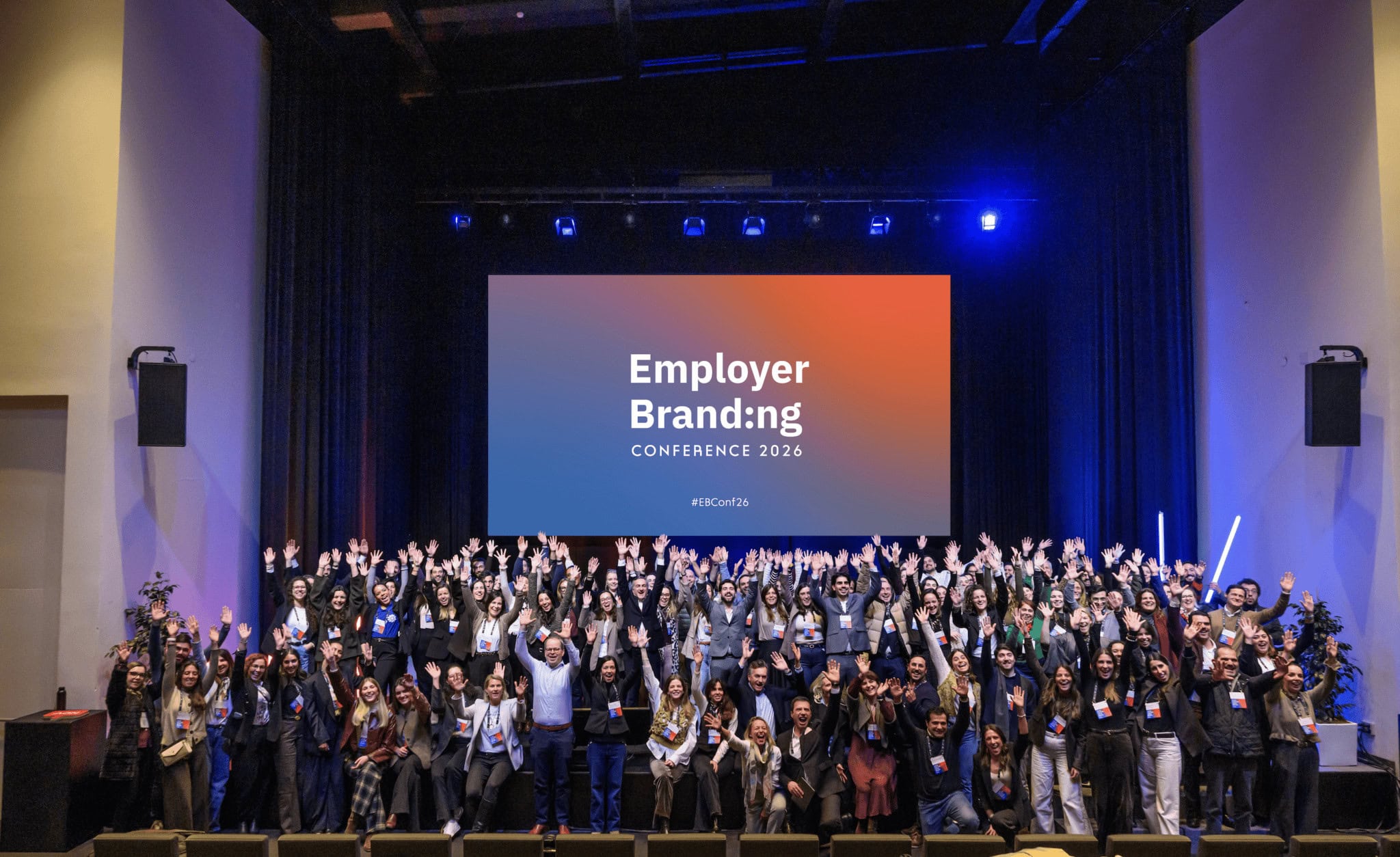
Since its first edition in 2017 the conference has built its program around more than 30 speakers per edition and over 100 participating companies each year, precisely because the value of the event scales with the number of specific accounts on stage, not with the number of slides on best practice.
Why this matters more for scale-ups than for enterprises
Large, established employers can often afford to be vague, because their reputation was built over decades and absorbs a certain amount of generic communication without damage. Scale-ups do not have that buffer. A scale-up building its employer brand for the first time is making irreversible early decisions about tone, about which benefits to lead with, about how much internal culture to expose externally often with a fraction of the data an enterprise HR team has access to.
For this audience, a documented case study from a comparable-stage company is worth more than a generic best-practice list, because it shows the actual sequence of trade-offs: what was prioritized first, what was deliberately postponed, and what had to be corrected after an initial version didn’t land with candidates.
The Employer Branding Report published by Talent Portugal, which gathered more than 230 participants in its first 2026 edition, was built on exactly this premise: that a structured reading of the market only becomes useful once it includes what practitioners actually tried, not only what they intended to try.
From reading about case studies to presenting one
There is a natural next step for any employer branding professional who has been through a project worth documenting: presenting it, rather than only consuming other people’s accounts. The Employer Branding Conference’s case study and speaker submission process is built for exactly this practitioners who have a specific, real project to walk through, including the parts that didn’t go according to plan.
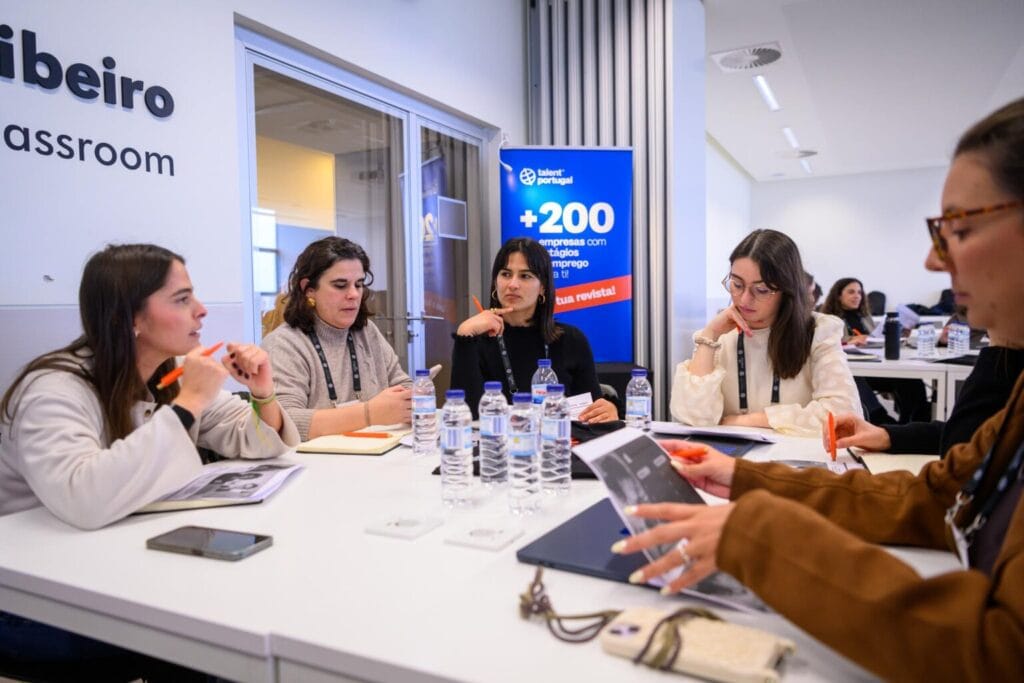
Submitting a case study is also a different kind of visibility than a standard sponsor placement: it positions the practitioner and the organization as a reference point for peers working through the same constraints, in front of an audience that based on past editions regularly exceeds 300 attendees and includes both employer branding leads and talent acquisition managers actively looking for tested approaches, not theoretical ones.
Full details on the event’s speaker line-up and conference format are available for organizations weighing whether their project is ready to be shared.
The takeaway
Employer branding theory tells you what to build toward.
Case studies tell you what it costs to get there, and what changes along the way.
As the market matures, this second layer grounded in named problems, real trade-offs, and measurable outcomes is becoming the more valuable currency between practitioners. If your organization has a project that fits this description, the next edition of the Employer Branding Conference is looking for exactly that kind of account on stage.