
Employer branding trends point to one shift above all others: reputation is becoming measurable, not just felt. Ten forces make up the official agenda of the Employer Branding Conference 2027 – AI in Recruitment, Employee Advocacy, EVP Strategy, Hybrid Work Cultures, Diversity, Equity & Inclusion, Data-Driven HR, Office as a Culture Hub, Leadership Talks, Talent Experience and Sustainable Branding.
Talent leaders who track these ten forces now will walk into 2027 already ahead.
This isn’t a forecast built on guesswork.
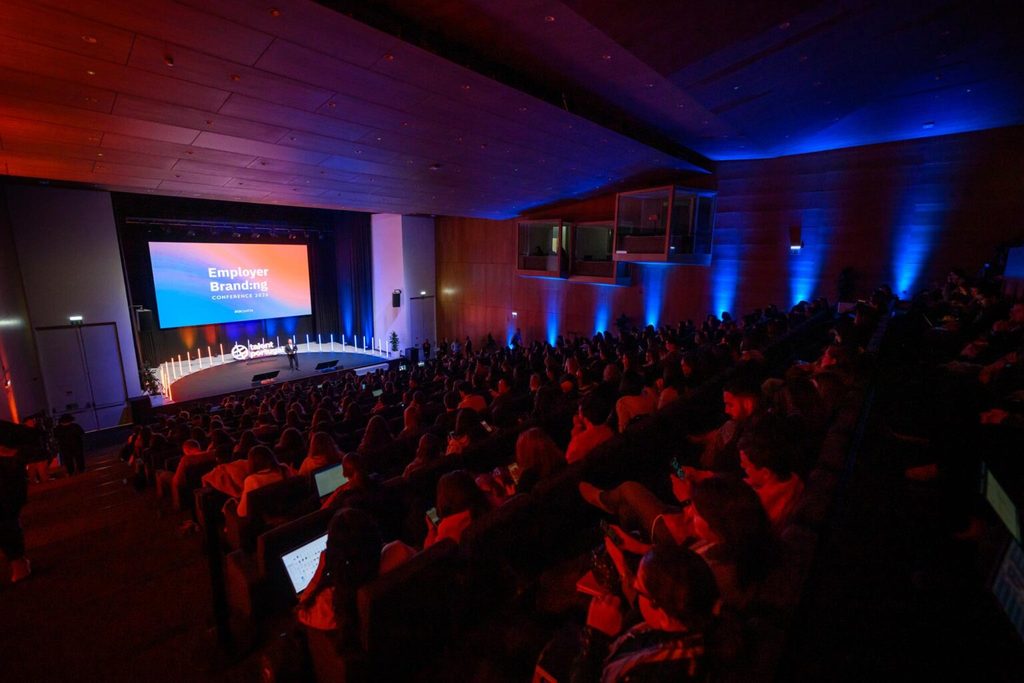
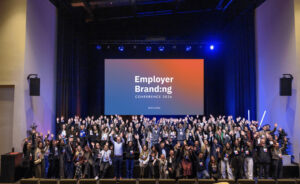
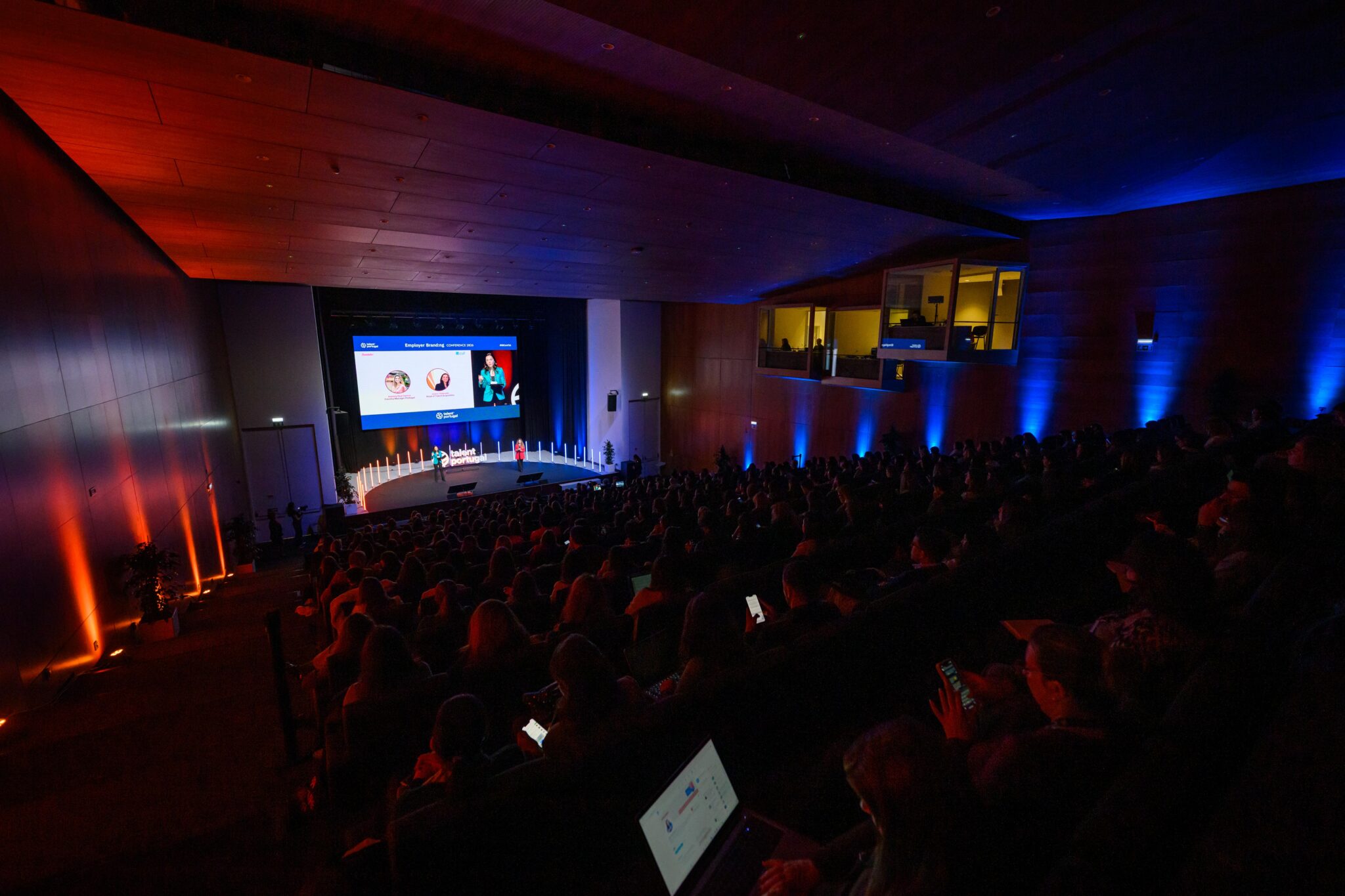
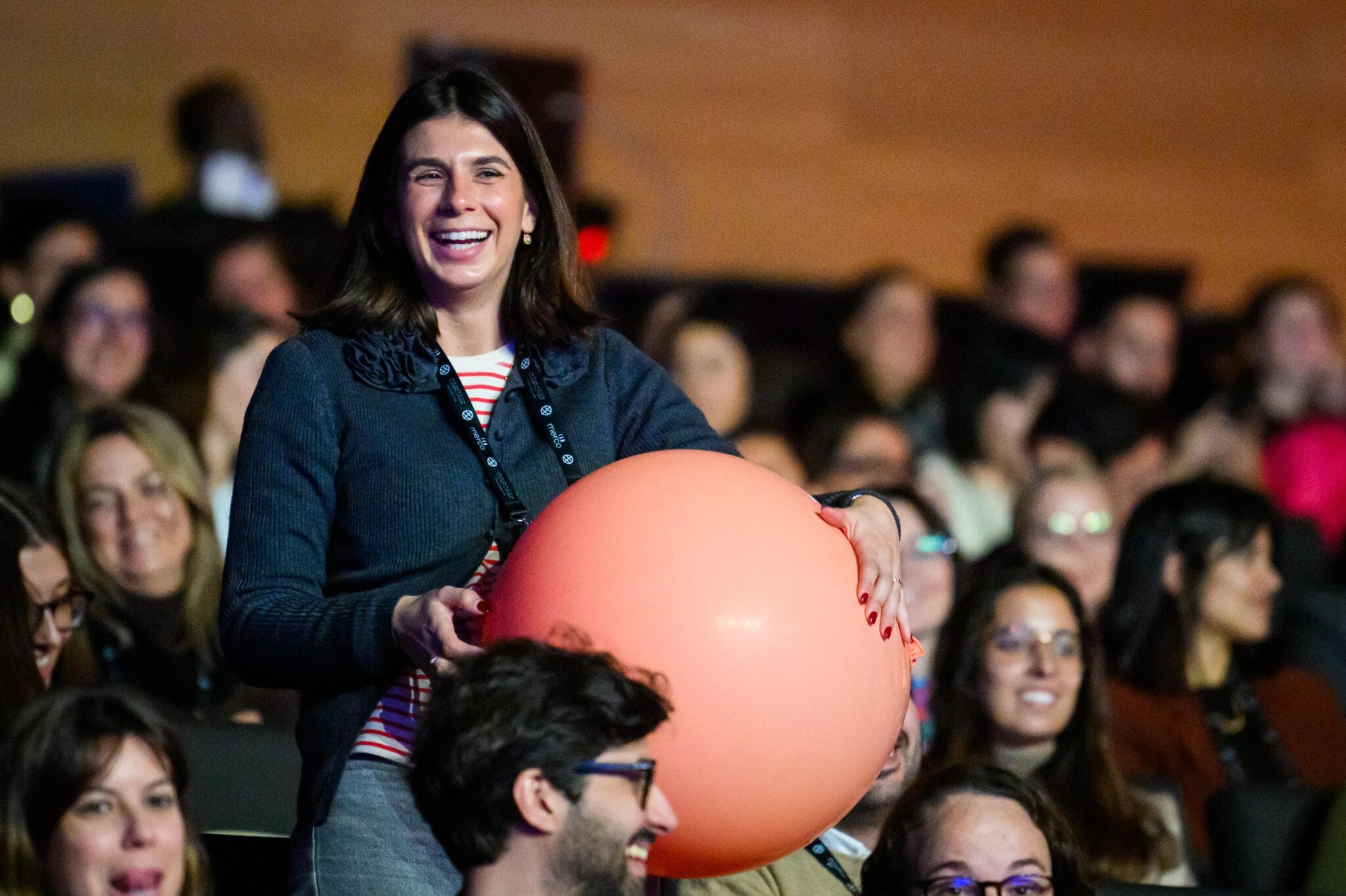
It’s built on what we’ve seen directly, year after year, from inside Employer Branding Conference. An event that has run since 2017 and now brings together +300 attendees, over 100 companies, and +30 speakers per edition.
It’s also grounded in the first edition of our own Employer Branding Report, which gathered more than 230 participants in 2026 and gave us, for the first time, a structured read of maturity levels across the Portuguese market.
What will actually define employer branding in 2027?
Employer branding in 2027 will be defined by proof over promise: organisations that can demonstrate EVP impact with data, employee voice, and consistent internal practice will outcompete those relying on campaigns alone.
For close to a decade, employer branding was treated as a communications exercise – a page, a video, a slogan. What changed, and what our own Employer Branding Report captured clearly in its first edition, is that Employer Value Proposition work has “evolved, gained relevance and sophistication, but remains uneven” across the market.
Some organisations have built structured EVP frameworks tied to retention metrics. Others still equate employer branding with a careers page. 2027 is the year that gap becomes commercially visible, because candidates, and increasingly AI-driven search and recommendation tools, are learning to tell the difference.
Why are these trends emerging now?
Three pressures are pushing employer branding toward measurement at the same time.
First, talent scarcity in technical and specialised profiles hasn’t eased it has simply become permanent background noise for HR teams.
Second, candidates now research employers the way they research consumer brands, comparing culture, benefits and day-to-day reality across multiple sources before ever applying.
Third, AI tools are starting to summarise and recommend employers directly, which means the organisations with structured, well-documented EVP content get cited and the ones without it become invisible, regardless of how good their culture actually is.
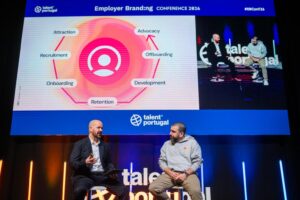
This is precisely the dynamic behind AI in Recruitment and Employee Advocacy. AI shortens the sourcing funnel – automating screening, scheduling and first-pass matching – but it also flattens differentiation unless a company’s people are visibly saying something real about working there while the human touch stays intact.
AI in Recruitment
Automates screening, scheduling, and first match — without replacing human judgment.
Employee Advocacy
Real testimonials, and employees as genuine brand ambassadors.
That’s why employee advocacy testimonials, real day-to-day content, staff turned into genuine brand ambassadors rather than polished corporate video is becoming one of the highest-leverage employer branding investments.
👉 It’s also exactly the kind of content candidates are already looking for on Talent Portugal’s company explorer, where culture, benefits and day-to-day life sit alongside each employer’s profile.
The other eight topics on the EBC 2027 stage follow the same logic, in three clusters.
The first is about where work actually happens: Hybrid Work Cultures (building real engagement in a remote/hybrid world), Office as a Culture Hub (redesigning physical space for collaboration rather than assuming it’s obsolete), and Talent Experience (mapping the whole journey, from hire to offboarding, not just the interview).
The second is about who leads and who’s protected inside that experience: Leadership Talks (the direct role CEOs play in employer branding, not just HR) and Diversity, Equity & Inclusion (treated as a core value rather than a metric to report once a year).
The third is about proof: Data-Driven HR (using analytics to predict turnover and satisfaction before they become a resignation) and Sustainable Branding (aligning company purpose with global impact, not a one-off CSR page).
What doesn’t work anymore (and why)
Generic culture messaging without evidence. Statements like “we value our people” or “great place to work” no longer move candidates who can cross-check them against employee reviews, LinkedIn activity and, increasingly, AI-generated summaries. Without a documented EVP, backed by real numbers, these claims read as noise.
Employer branding owned only by marketing. When employer branding lives exclusively inside a communications team, disconnected from HR data and hiring managers, campaigns look good but don’t move retention or time-to-hire. The organisations showing real progress in our Employer Branding Report are the ones where People and Marketing build EVP together.
One-off campaigns instead of a continuous presence. A single recruitment video or one seasonal push cannot substitute for the kind of continuous, updated presence that platforms like Great Employers are built around – company pages, benefits, culture and testimonials that stay current year-round, not just during a hiring push.
Three things that are working instead, based on what we’ve heard directly from companies at the Employer Branding Conference and through Talent Portugal’s Great Employers network:
1. Structured EVP frameworks tied to specific retention and time-to-hire metrics, reviewed at least annually.
2. Employee-generated content such as testimonials, day-in-the-life material, internal case studies treated as a core channel, not an afterthought.
3. Cross-functional ownership of employer branding, with People, Marketing and leadership aligned on the same data.
How should talent leaders prepare their strategy?
Talent leaders should prepare their strategy by auditing their EVP against data, documenting it in a structured, citable format, and building internal advocacy before investing further in paid campaigns.
That preparation has a practical starting point: knowing where your organisation actually sits.
The Employer Branding Report exists exactly for that – it is, to date, the only structured read of employer branding maturity built from over 230 Portuguese HR and talent professionals rather than from a single consultancy’s opinion.
What should talent leaders see resolved at the conference?
Whoever is planning their employer branding strategy right now is dealing with a familiar tension: leadership wants proof of ROI, the market wants authenticity, and AI-driven candidate research is rewriting the rules of visibility faster than most internal playbooks can keep up.
That’s the exact gap the Employer Branding Conference agenda is built to close.
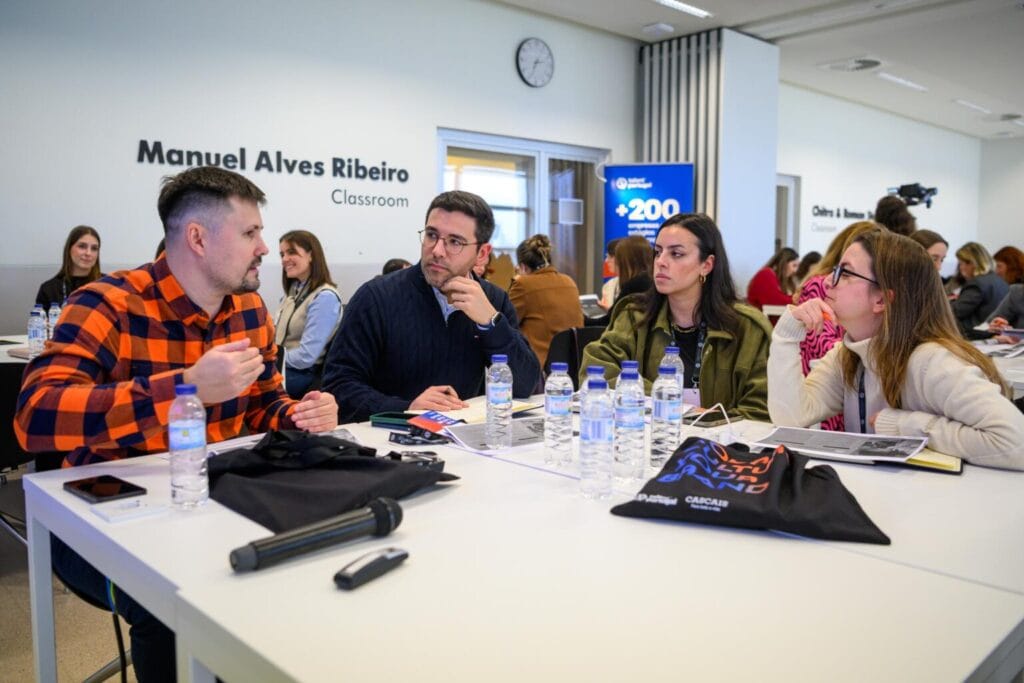
The 2027 edition, scheduled for 1 and 2 February in Lisbon, keeps the same two-day structure: a first day of hands-on workshops, and a second day dedicated to the main stage, where all ten topics will be broken down through real case studies, not theory.
Participants leave with certification worth 8 or 16 hours, depending on whether they attend one day or both, issued through the Certifier platform.