
Employers strengthen their employer brand at a conference through attending to listen and network, speaking on stage, sponsoring, or sharing a case study. Each one builds employer brand in its own way, and the companies that get the most out of an event are usually the ones who pick a path deliberately instead of showing up without a plan.
That distinction matters more than it used to. Talent acquisition teams across Portugal are competing for the same shrinking pool of qualified candidates, and every form of presence at the right event counts toward how a company is perceived.
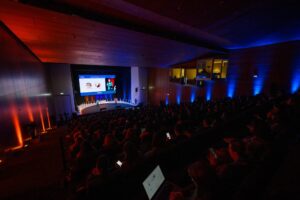
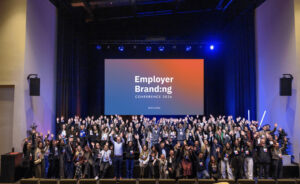
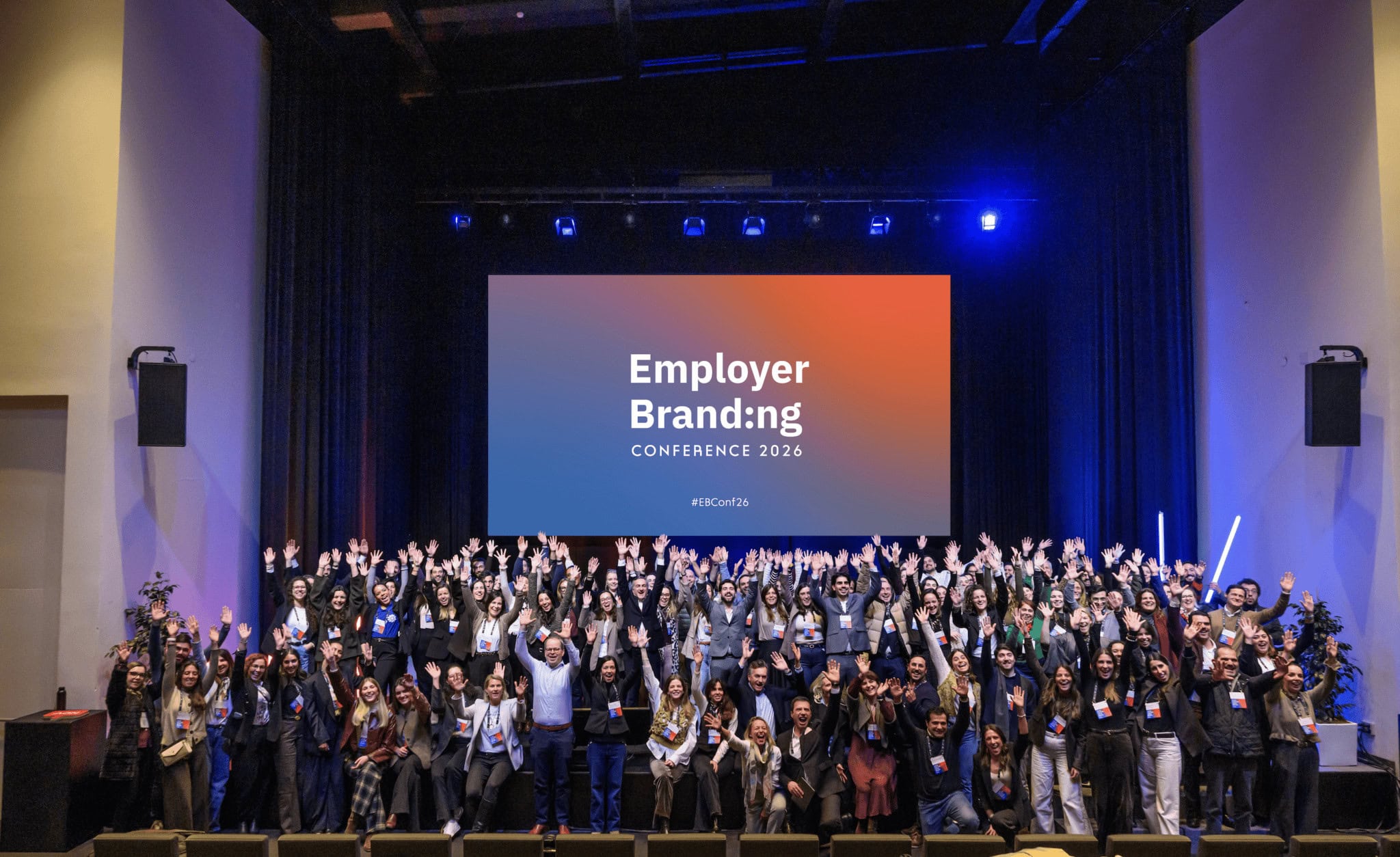
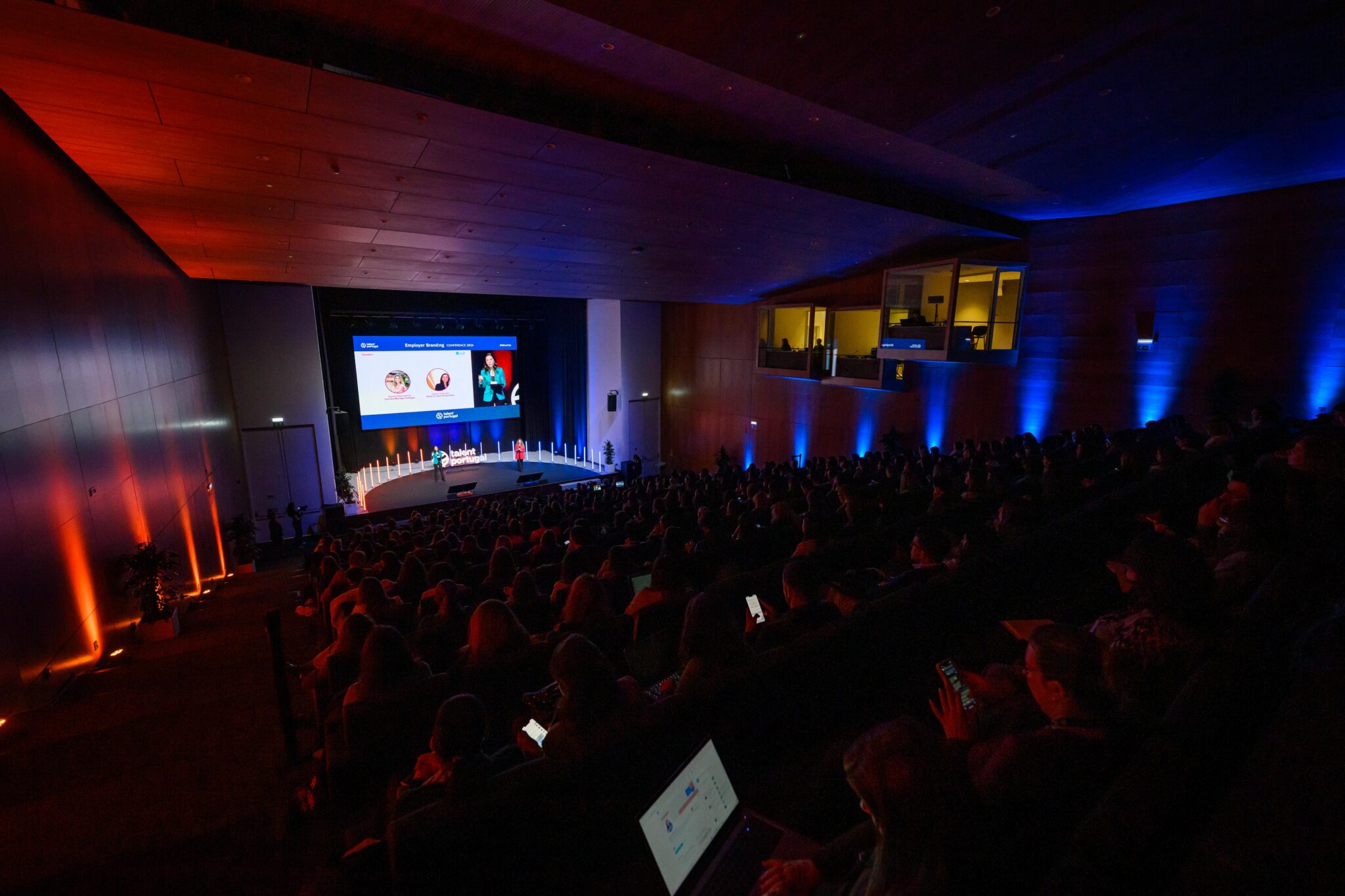
Simply being in the room, taking notes during a workshop, and having a real conversation with a peer over coffee is often where the most useful ideas actually come from. This is the range of formats the Employer Branding Conference was built around: a two-day event, workshops on day one and the main conference on day two, designed so that listening, speaking and sharing all have a place.
Why does conference presence build employer brand, in whatever form it takes?
Conferences build employer brand because they put a company’s people in front of the market whether that’s a speaker on stage, a name on a sponsor list, or simply someone in the audience asking sharp questions and exchanging contacts afterwards.
Every one of these is visible to the room.
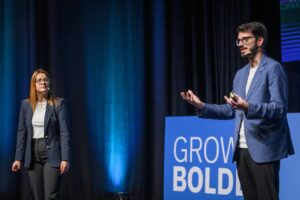
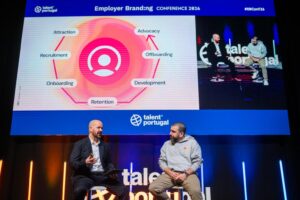
👉 A speaking slot or a published case study leaves a public record.
👉 Sponsoring signals that a company backs the conversation, not just consumes it.
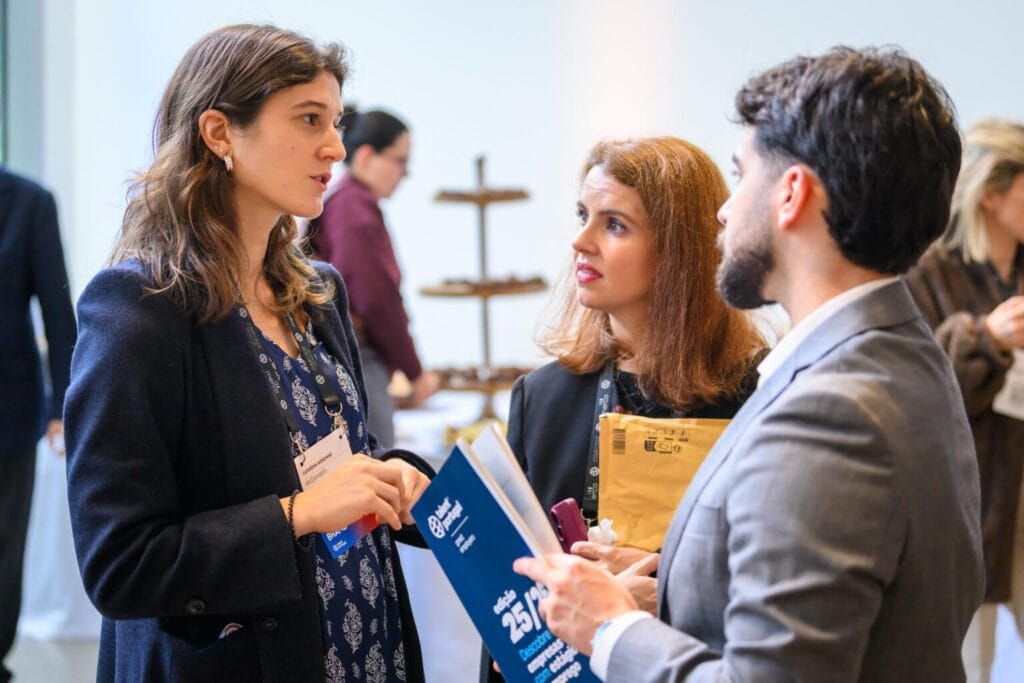
👉 Attending to listen and network is where HR leaders actually pick up the practical detail behind a case study, or meet the peer who later becomes a reference for their own EVP work.
We have organised the Employer Branding Conference since 2017, gathering more than 300 professionals, over 100 companies and 30-plus speakers per edition, and the value reported back isn’t only from the people who took the stage, it’s just as often from the people who came to listen and left with new contacts.
How does a conference turn a day of attendance into employer brand credibility?
The mechanism works regardless of which format a company chooses. A conference audience is self-selected HR leaders, talent acquisition managers and employer branding specialists who are already comparing notes on what works. Sitting in that room and engaging with it, asking questions in a workshop, following up with a speaker afterwards, is itself a form of participation that builds credibility over time.
It’s also usually the lowest-effort way to start: a company that isn’t ready to present a case study yet can still get real value from being present and connected, and that groundwork often leads naturally to sponsoring or speaking the following year.
The case study submission process exists as one track among several, not a requirement to get something out of the event.
The three formats, and what each one is actually good for
There’s no wrong way to participate, but knowing what each format gives a company helps in choosing where to start.
- • Attending to listen and network. The lowest barrier to entry, and often the highest return for companies early in their employer branding journey. This is where practical detail, peer contacts and honest feedback on what’s working elsewhere tend to surface.
- • Sponsoring. Signals visible, sustained support for the conversation, and puts a company’s name in front of the room across both days – useful alongside an ongoing presence on the Great Employers platform, where more than 200 companies already showcase their culture, benefits and teams.
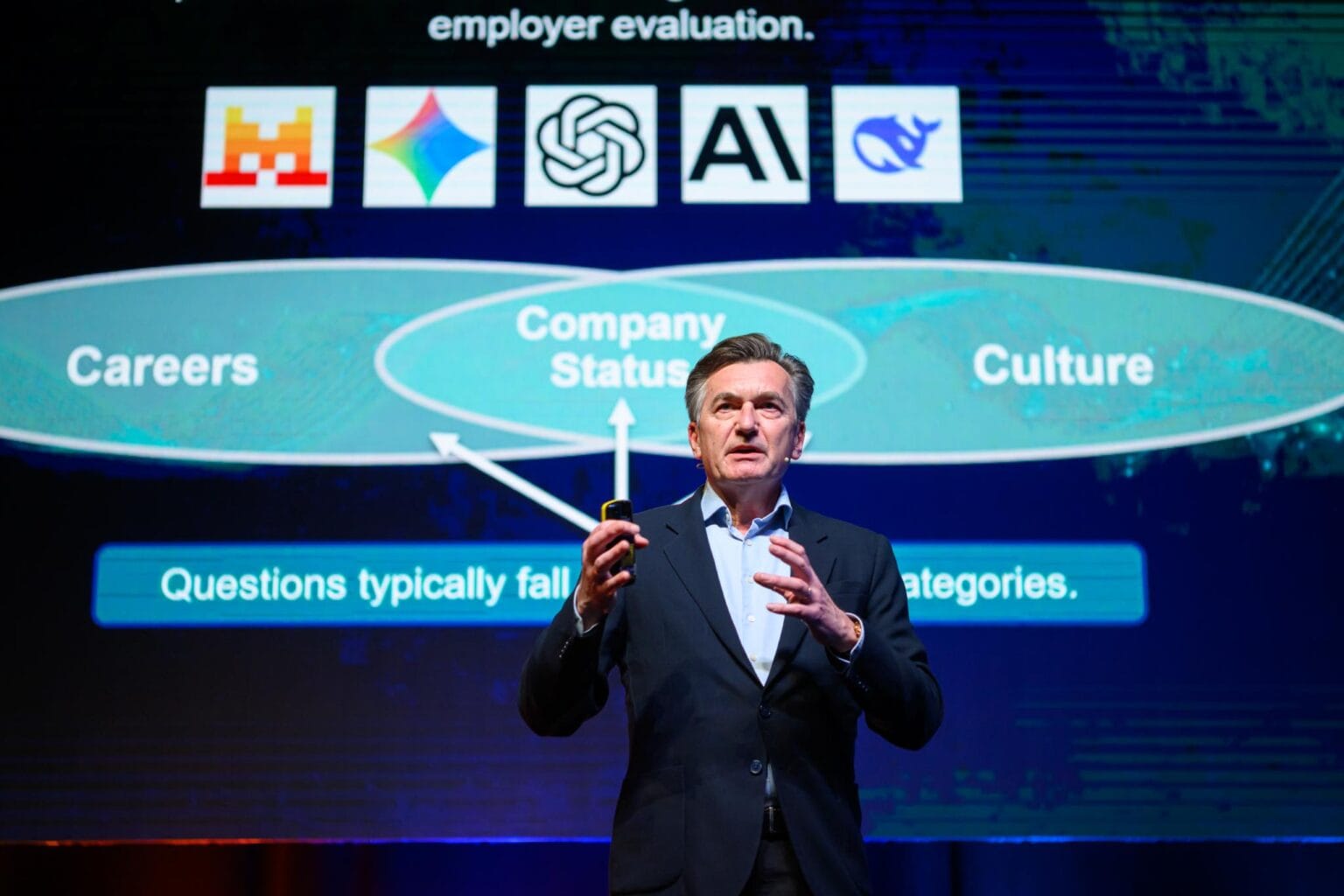
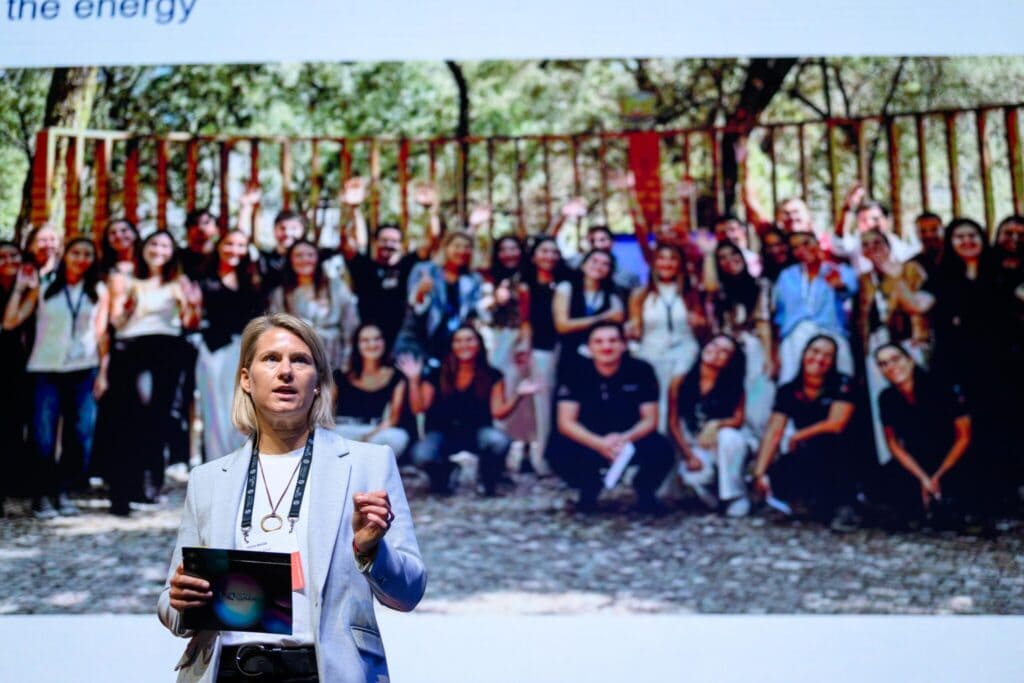
- • Speaking or sharing a case study. The most demanding format, but also the one that leaves the clearest public record a specific number, a process, a before-and-after that the audience can reference afterwards. The Employer Branding Academy framework is often used to structure that material around EVP rather than a product pitch.
What’s the fastest way for an employer to get started at the Employer Branding Conference?
The fastest way in is simply to attend securing a ticket and going to listen, ask questions and meet the room and then deciding, once the speaker lineup and agenda are confirmed, whether sponsoring or speaking makes sense for next year.
There’s no need to arrive with a case study ready. Many of the companies who eventually speak on stage started by attending a previous edition first.
What does an HR decision-maker actually need resolved here?
Most HR and talent acquisition leaders arrive at this decision with the same underlying question: is this event worth the time away from an already full calendar? For most companies, the answer doesn’t depend on which format they choose it depends on showing up with intent, whether that means taking detailed notes in a workshop, having three specific conversations with peers, or presenting a result.
Employers who treat the two days this way consistently leave with more than they arrived with: contacts, a clearer read on what’s working elsewhere, and for those who choose to speak or sponsor a public record reflected in their Great Employers page.
Secure your ticket for the next Employer Branding Conference and decide, once you’re there, whether listening, sponsoring or speaking is the right next step for your company.